To Trust Or Not To Trust, That Is the Question
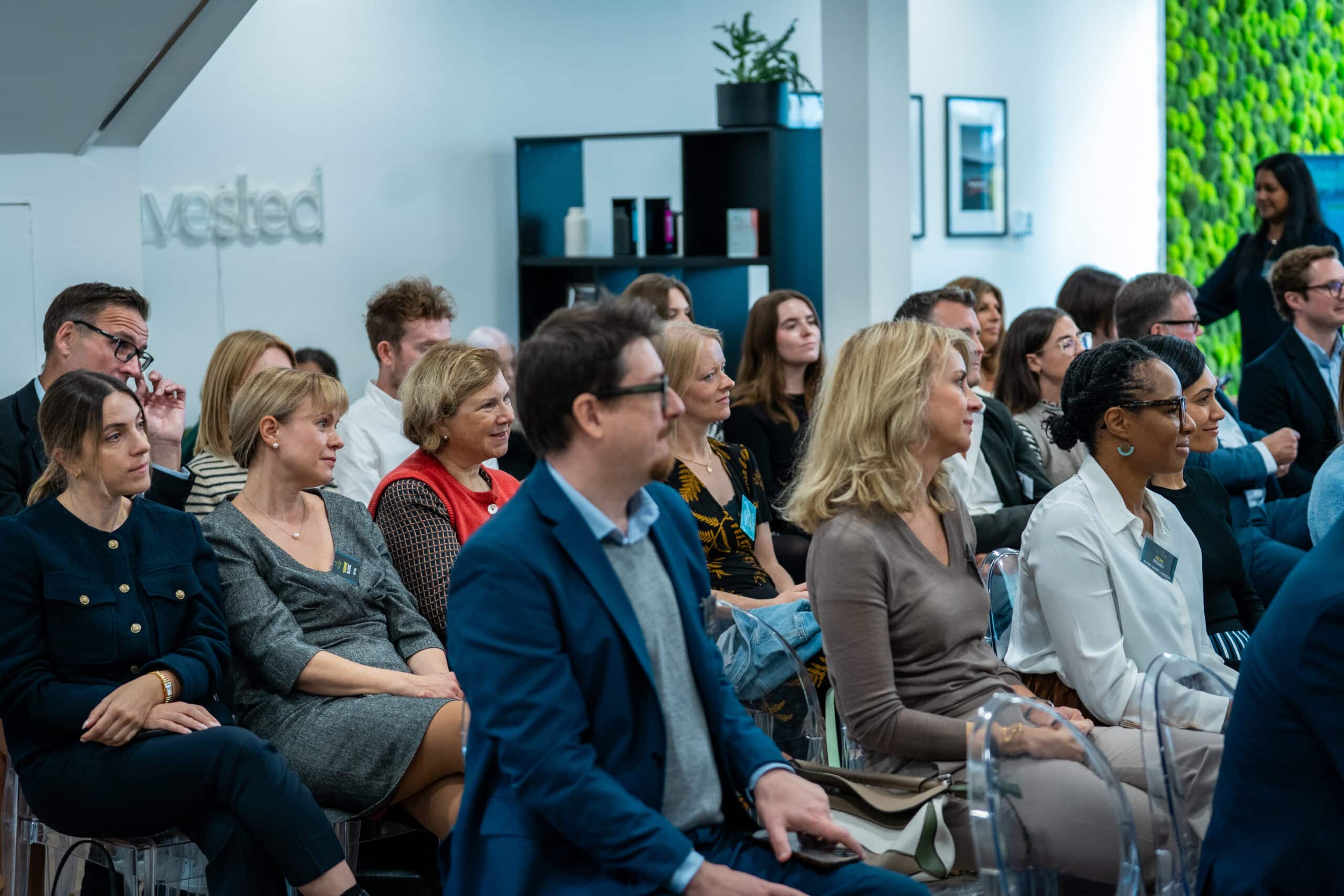
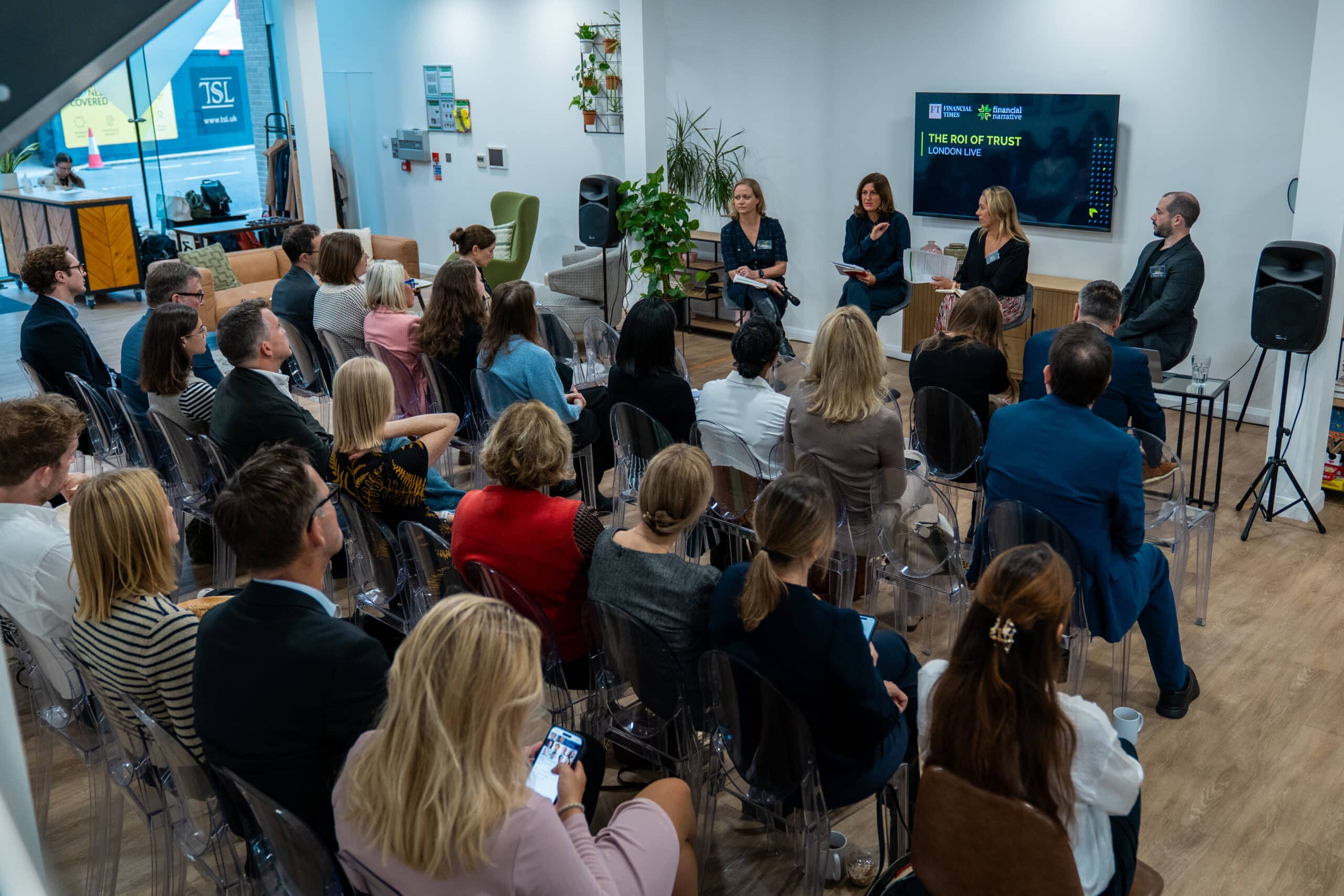
At the latest Financial Narrative panel discussion, in partnership with the Financial Times, that question quickly evolved into: how do you measure that and build crisis resilience ahead of time?
In a fast-paced conversation that worked our way through key insights from FT readers about the importance of trust and the trust gap in finance, it was clear from the room that we widely acknowledged the importance of trust, but getting there wasn’t always easy.
Our panellists agreed that trust has to be treated as foundational, a core tenet of any long-term marketing and communications strategy. Not something you switch on and off, dependent on what else is happening. It is earned over time through reliability, consistency, human interaction and data security – the four key drivers highlighted in the FT research. All things we can influence, yet also things potentially beyond our control.
And so, the conversation turned – as you would expect – to how to deal with the unexpected. How to control the controllables. How the world of crisis communications has changed and shifted with global virtual workforces, but also how the principles of preparedness remain key. Planning for what you hope won’t happen is as important as tackling the here and now.
If planning is the first building block of trust, the rest of the building blocks in the construction of trust are perhaps actionable and part of the plan. As one of our panellists shared, trust isn’t separate from your brand identity or reputation, in fact, it’s intrinsic. You have to determine what you want to be trusted for – and that is where your focus, energy and programming should all flow from.
So while trust is a human reaction, our job as marketing and communications professionals is to establish our own trust matrix. To identify what we want to be trusted for, why that matters to the audiences we want to reach, and how we live those values through our work. We then need to be ready to defend our reputation and earn it, to build trust and use that as our calling card for the big organisational strategy conversations we want to be part of. Because without trust, what ultimately would be left?